
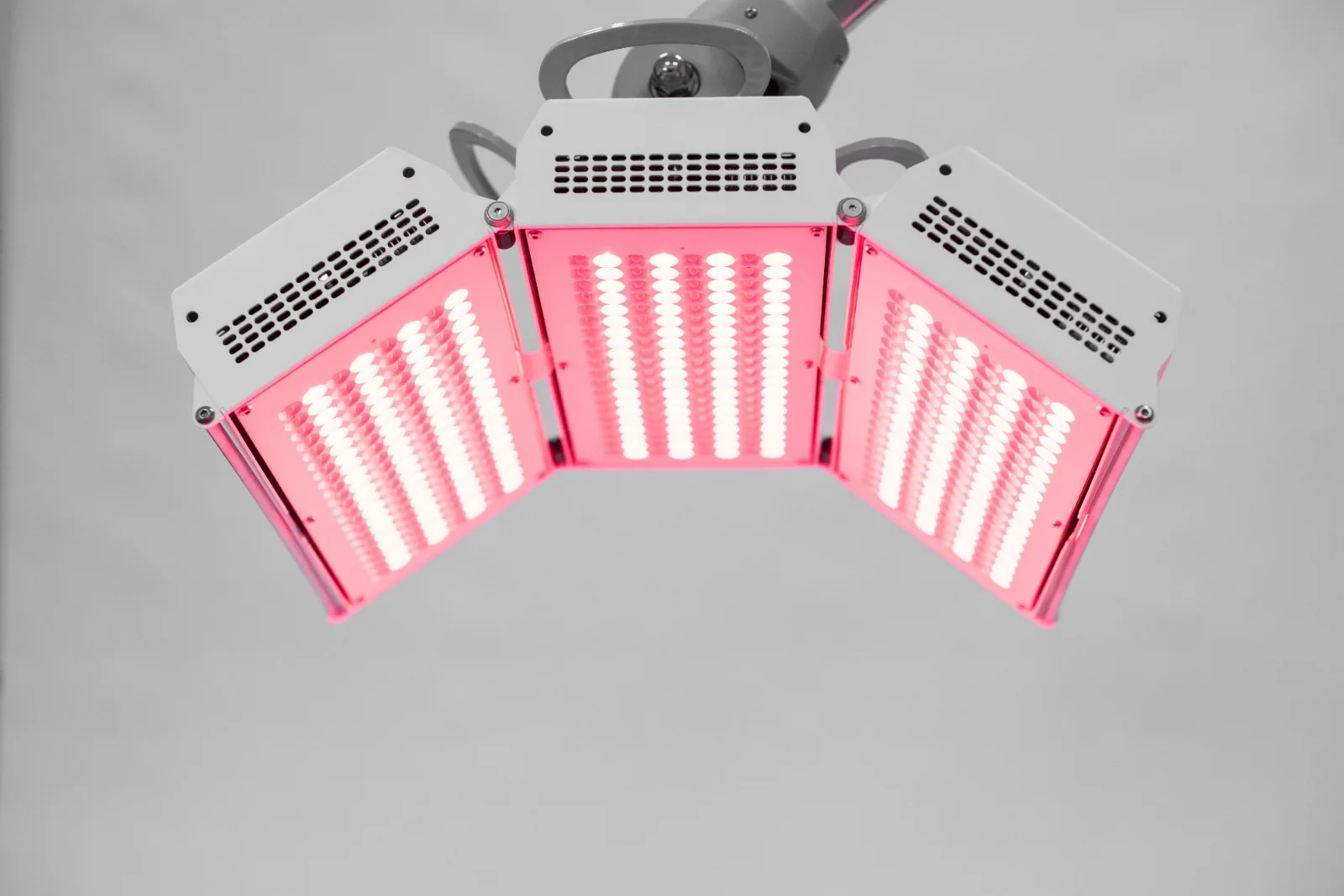
Photobiomodulation (PBM) uses light-emitting diodes (LED). It is a cold light, which does not heat the skin, unlike a laser. It stimulates the metabolism of the cells. The treatment is non-invasive and painless.
I offer this treatment at the office, together with surgery or with an aesthetic medicine treatment.
The principle
The light of the LED is absorbed by the mitochondria of the cells. This action may increase the cell metabolism and the oxygenation of the tissues. It may also stimulate the fibroblasts, the cells that make collagen.
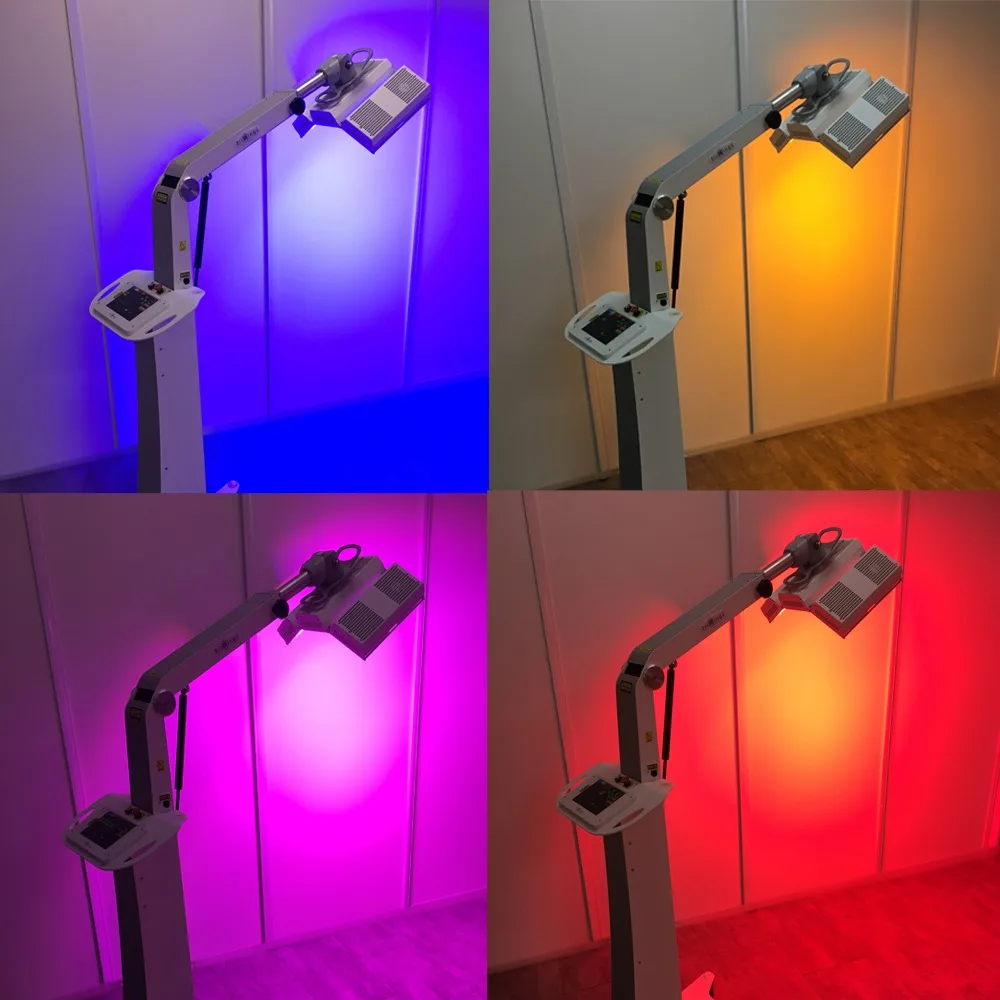
Each colour corresponds to a wavelength and to different effects:
- Red: regeneration of collagen and elastin, stimulation of the blood flow, action on wrinkles, scars and stretch marks.
- Yellow: better blood flow, draining effect, lightening of scars.
- Blue: anti-bacterial effect, most often used against acne.
Red and yellow are the colours most used for healing and for anti-ageing care.
The indications
- Support of scar healing after surgery.
- Anti-ageing care: wrinkles, quality and suppleness of the skin.
- Acne and some skin conditions, with the blue light.
- The aftermath of an inflammatory procedure, such as a peel: LED may limit the risk of pigment rebound.
During the consultation I tell you if this treatment suits your situation, and what you can expect from it.
How the procedure unfolds
In practice
During the consultation:
- I analyse your request and I examine the area concerned.
- I collect information about your health, your treatments and your history.
- I check that there is no contraindication.
- I propose a protocol to you: number of sessions and rhythm.
The session
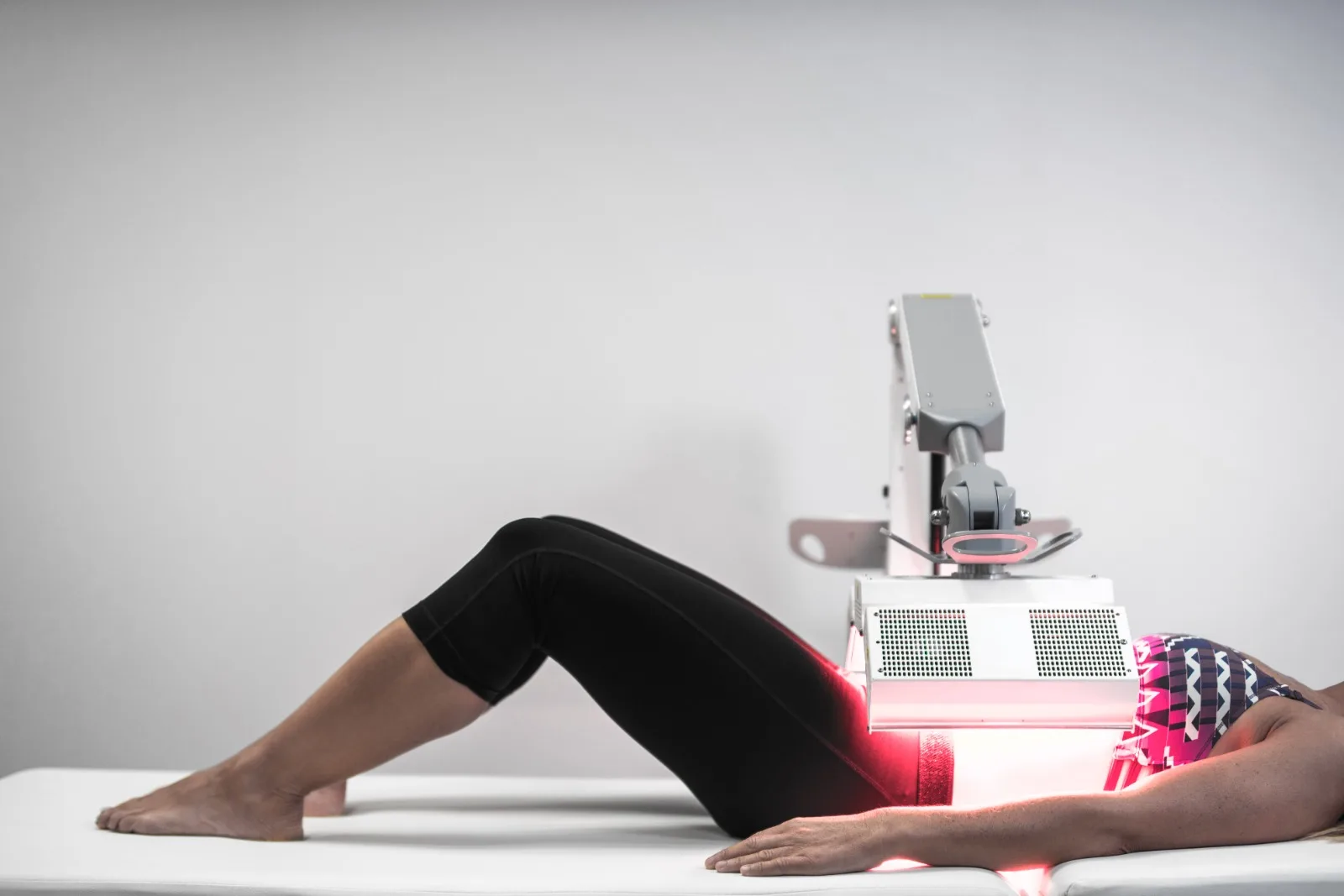
- You lie down, with your eyes protected.
- The LED panel is placed above the area to treat, without contact with the skin.
- The session lasts 20 to 30 minutes in general.
- The treatment is painless and needs no social eviction.
A protocol includes 5 to 10 sessions in general, at a rate of 1 to 2 sessions per week. Maintenance sessions can be proposed afterwards.
Afterwards
- You resume your activities immediately after the session.
- The effects are progressive and appear over the sessions.
- The result depends on the number and the rhythm of the sessions.
The contraindications
The treatment is not proposed in some situations, in particular:
- Personal history of melanoma, hereditary dysplastic naevus syndrome.
- Systemic lupus erythematosus, diseases with DNA repair disorders.
- Actinic keratoses, previous exposure to ionizing radiation or to arsenic.
- Skin photosensitivity, numerous or atypical naevi.
- Some current or recent treatments.
This list is not exhaustive. We review your situation together during the consultation.
Social security coverage
This treatment is not covered by social security.
Pricing
- 1 session: 40 euros.
- 6 sessions: 200 euros.
- 12 sessions: 400 euros.
Sources: Association Française de Médecine Esthétique et anti-âge and European Led Academy.